How Do 2BV Vacuum Pumps Ensure Safety When Handling Flammable and Explosive Gases?
2026-06-17 16:07:17
Read:
Share:
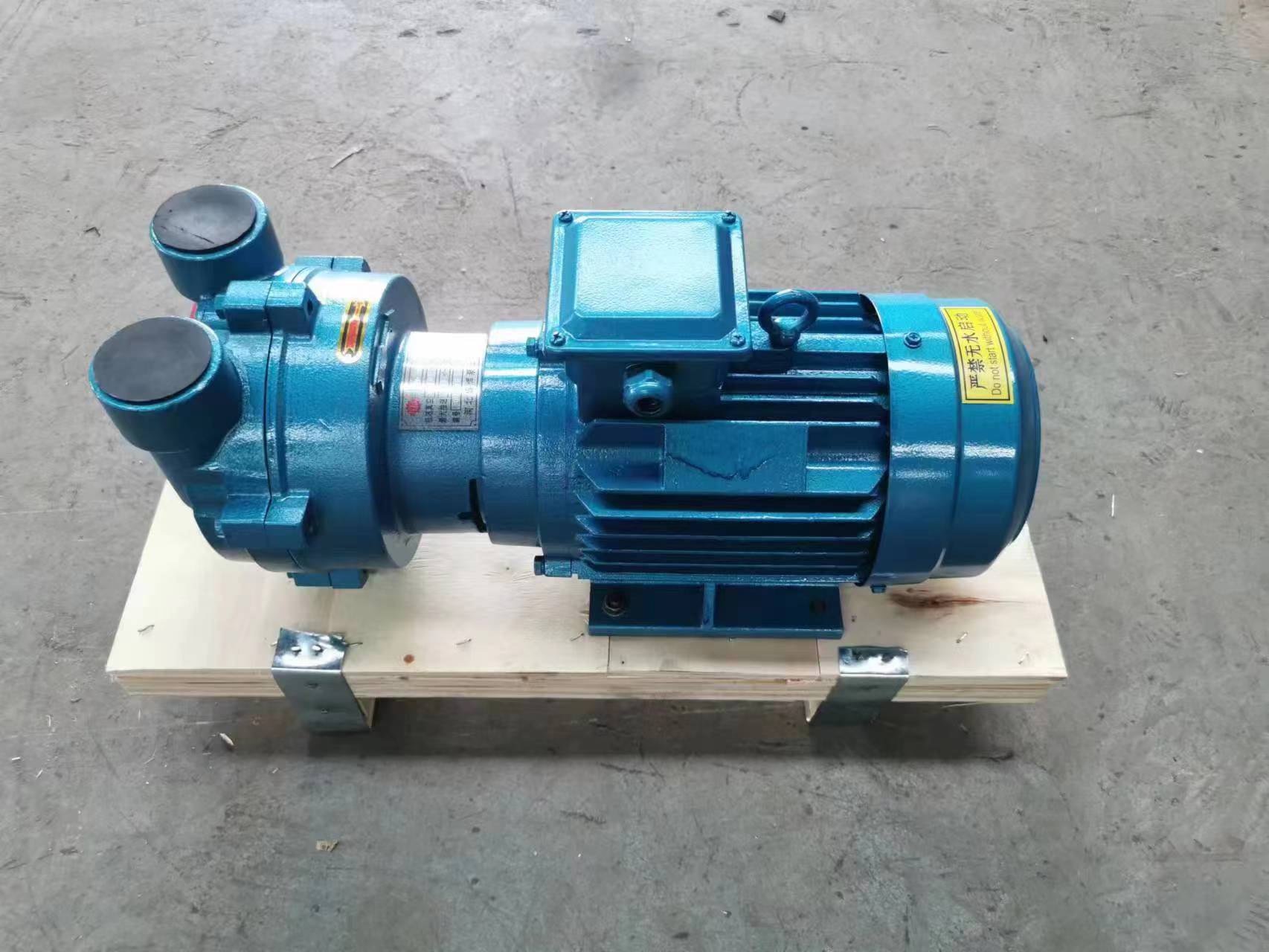
In production processes within the petroleum, petrochemical, and pharmaceutical industries, working with flammable, explosive, and toxic media such as methane and hydrogen is a common practice. Since these gases pose extremely high risks, if vacuum equipment experiences high temperatures or localized overheating during operation, it could trigger combustion or even cause an explosion. Nevertheless, the 2BV vacuum pump utilizes liquid ring technology based on the working medium, integrated with a unique working principle, to effectively mitigate the core risks associated with handling flammable, explosive, and other hazardous gases.
This machine process the medium through a nearly isothermal compression process. As the equipment operates, the eccentric rotation of the impeller drives the liquid to form a stable liquid ring. Within this liquid ring and the impeller blades, a cavity with a constantly changing volume is formed, thereby enabling the intake, compression, and discharge of gas to occur. Throughout the compression process, the gas remains in full contact with a large volume of liquid at all times, with the heat generated by compression being rapidly absorbed and dissipated by the liquid, thereby achieving a nearly isothermal compression process. This operating principle fundamentally eliminates heat generated by sudden temperature increases, ensuring the safe and stable operation of this series of pumps when handling flammable and explosive gases. What's more, with the compression temperature increase being extremely minimal, this equipment can effectively prevent the buildup of high temperatures caused by adiabatic compression of gases. This is particularly important when handling natural gas, coal gas, or flammable and explosive media, as lowering the compression temperature plays a critical role in reducing the risk of reaching the flash point or explosion limits, thereby effectively minimizing operational and production risks.
By utilizing liquid as the working medium, this series of vacuum pumps demonstrates strong adaptability to humid gases and small amounts of liquid, enabling it to maintain stable pumping performance over time and reduce safety hazards caused by fluctuations in operating conditions. On the one hand, it relies on liquid as a sealing medium, which not only effectively isolates the pump chamber from the external atmosphere but also minimizes gas leakage at sealing points, thereby ensuring production safety and hygiene. Furthermore, during operation, this equipment maintains a consistent clearance between the impeller and the pump housing, preventing mechanical contact and the generation of friction sparks, thereby effectively extending the equipment’s service life.
To further enhance the equipment’s ability to handle corrosive and flammable media, configurations such as stainless steel materials and explosion-proof motors can be selected based on specific operating conditions to meet safety requirements in various scenarios, including oil and gas recovery systems and environments with toxic gases. Furthermore, this series of equipment operates with extremely low noise levels, providing operators with a quiet working environment and making it suitable for applications with strict noise requirements.
2BV vacuum pumps operate on the principle of nearly isothermal compression, which not only prevents excessive temperature buildup during operation but also provides excellent moisture handling capabilities, thereby offering a safe and stable solution for handling flammable and explosive gases.